
It never announces itself. It just quietly shortens the list.
Climbing stairs. Walking the dog. Getting through a workout. Hip and knee pain takes the simple things first, and most people adjust around it rather than deal with it. The causes are usually some mix of joint inflammation, muscle tightness, ligament strain, and movement mechanics that were never quite right.
Arthritis, an old sports injury, surgery you are still recovering from, weakness on one side, a gait that has gone off: they all end up in the same two joints. Physical therapy is non-invasive, and it goes after the cause rather than the symptom, which is what keeps the pain from coming back later.
Who we see, and what they come in with.
Athletes, people with arthritis, people recovering from surgery, and people who simply want to move through a day without thinking about it.
Pain on Stairs and Walking
Climbing stairs, walking any distance, or exercising has become something you brace for.
Arthritis Joint Pain
Chronic discomfort from osteoarthritis or rheumatoid arthritis that has settled into the joint.
Pain That Travels Hip to Knee
Pain that spreads from the hip down to the knee, usually nerve irritation, muscle tightness, or joint dysfunction.
Sports and Overuse Injuries
The knee and hip problems that come with training hard, common among athletes and active adults.
Gait and Balance Trouble
Walking that no longer feels steady, which raises the risk of a fall and of the next injury.
After Injury or Surgery
Recovery from ligament tears, fractures, or joint replacement, where the rehab decides the outcome.
Treat the joint. Then fix what keeps loading it.
Hands-on manual therapy improves how the joint and the muscles around it move. Heat and ice manage inflammation, and electrical stimulation or ultrasound targets the pain directly. That is the part you feel first.
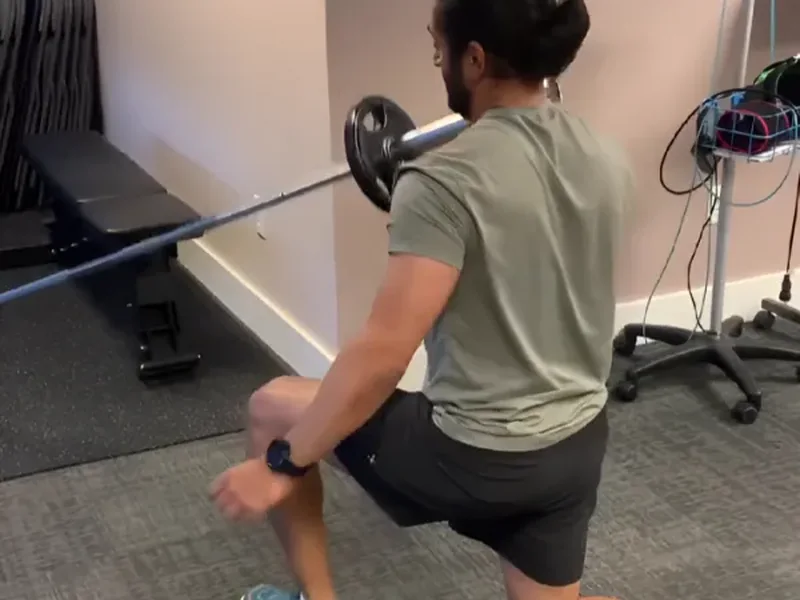
Then the mechanics. Targeted strengthening for the muscles that stabilize the hip and knee, stretching to take strain off the joint, analysis of how you actually walk, and balance and stability training to cut fall risk. Add straight guidance on modifying what aggravates it, and reinjury gets far less likely.
No referral needed. Utah has direct access to physical therapy, and we are in network with 11+ carriers plus Medicare.
What our patients say.
"Jason has been guiding me through key steps of recovery following reattachment surgery of my quadriceps tendon."Creighton K. · Quadriceps Tendon Reattachment
Schedule Your Appointment
No referral needed. Utah has direct access to physical therapy, and we are in network with 11+ carriers plus Medicare.
Your first visit runs about an hour, with your Doctor of Physical Therapy in the room the whole time. Tell us everything. Leave with a plan.
You’re all set.
We’ll reach out within one business day to confirm your appointment. If you need to speak with us sooner, call us directly.