
Dizziness is the symptom. The question is which system produced it.
Your sense of where you are in space is assembled from three inputs: the inner ear, the eyes, and the position sensors in your joints and muscles. When one of them sends a signal that does not agree with the other two, you get vertigo, lightheadedness, or the feeling that the floor is not quite where you left it.
Which input is misreporting changes everything about the treatment. BPPV, where displaced crystals in the inner ear fire the wrong canal, is handled with a repositioning maneuver. Vestibular neuritis and labyrinthitis need a different progression. Neck-related dizziness needs the neck treated. Neurological causes and medication side effects need to be identified and sent to the right physician. So we test before we treat.
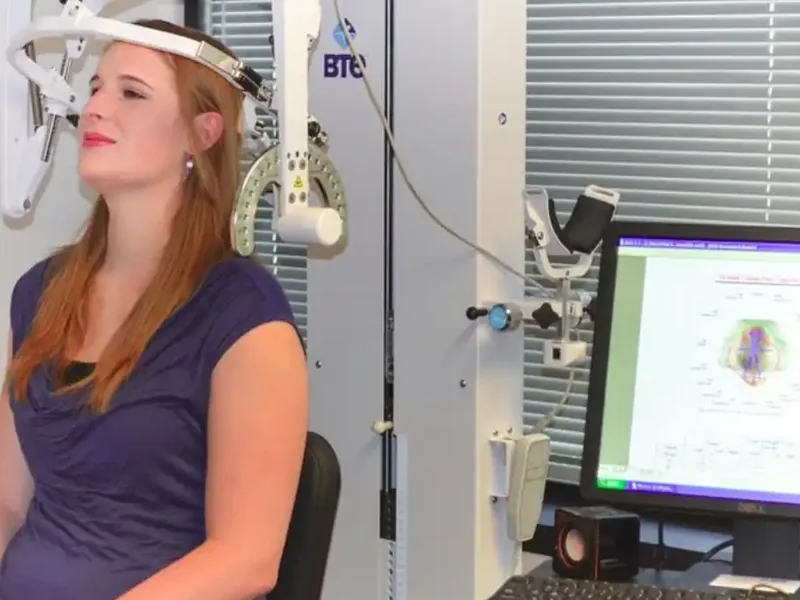
Six things that commonly drive dizziness and vertigo.
Two of these respond directly to physical therapy. Two need the neck or the head injury treated. Two need a physician. Sorting that out is the first appointment.
BPPV
Benign paroxysmal positional vertigo. Crystals have shifted into a canal of the inner ear, so rolling over in bed or tipping your head back sets the room spinning.
Vestibular Neuritis or Labyrinthitis
Inflammation involving the inner ear or the vestibular nerve. That side stops reporting reliably, and the system has to be retrained to work around it.
Cervical Dizziness
The joints and muscles of the neck feed position data into the same balance system. When the neck is restricted or irritated, that data gets noisy.
Dizziness After a Head Injury
Dizziness is one of the most common lingering concussion symptoms, and it responds to the same vestibular retraining used for other vestibular disorders.
Neurological Conditions
Some dizziness has a neurological source. Our assessment is built to flag it, and when it does, you get sent to the right physician rather than treated around.
Medication Side Effects
Dizziness is a listed side effect of a long list of prescriptions. If your symptoms started with a medication change, that belongs in the conversation with your prescriber.
Find the system. Then retrain it.
This is a certified vestibular clinic, not a general clinic that also sees dizziness. Dr. Matthew Nelson and Dr. Jessica Bauerkemper both hold AIB Cert-VR, the vestibular rehabilitation certification from the American Institute of Balance, and Dr. Anika Jansen works across vestibular therapy, balance and concussion. That training is the difference between a positional test that identifies exactly which canal is involved and a shrug.
Treatment follows the finding. Canalith repositioning maneuvers for BPPV. Gaze stability and habituation exercises to force the vestibular system to compensate. Balance and gait training so your feet catch up with your head. Joint mobilization and soft tissue work when the neck is driving it. Then a home program, because compensation is built by repetition between visits, not just during them.
No referral needed. Utah has direct access to physical therapy. Most insurances accepted, and you see the same Doctor of Physical Therapy every visit.
Schedule Your Appointment
No referral needed. Most insurances accepted.
Your first visit runs about an hour with a Doctor of Physical Therapy who stays for all of it. We test, we tell you what we found, and you leave with a plan.
You’re all set.
We’ll reach out within one business day to confirm your appointment. If you need to speak with us sooner, call us directly.